Stretching over 6,600 kilometres through the heart of Africa, this iconic waterway has cradled civilisations for millennia. From Cairo's bustling corniche to the timeless temples of Luxor and Aswan, every bend reveals a new chapter of human history.
Featured Tour
The Cairo Dinner Cruise in Nile River With Belly Dancer show is the ultimate way to experience Egypt's legendary waterway after dark. A private driver and representative collect you from your hotel, whisking you to the port where a beautifully lit cruise vessel awaits. On board, you'll feast on traditional Egyptian dishes while a talented belly dancer takes the stage, followed by the hypnotic spinning of a tanora performer. A live band keeps the energy high all evening, and the top deck offers breathtaking panoramic views of Cairo's illuminated skyline. At the end of the night, your private transfer returns you safely to your hotel, making the whole experience completely seamless.
About the Destination
Flowing through eleven countries before emptying into the Mediterranean Sea, this legendary waterway is both a geographical marvel and a living cultural corridor. Visitors can access it from multiple gateway cities, with Cairo, Luxor, and Aswan serving as the most popular starting points for tours and cruises.
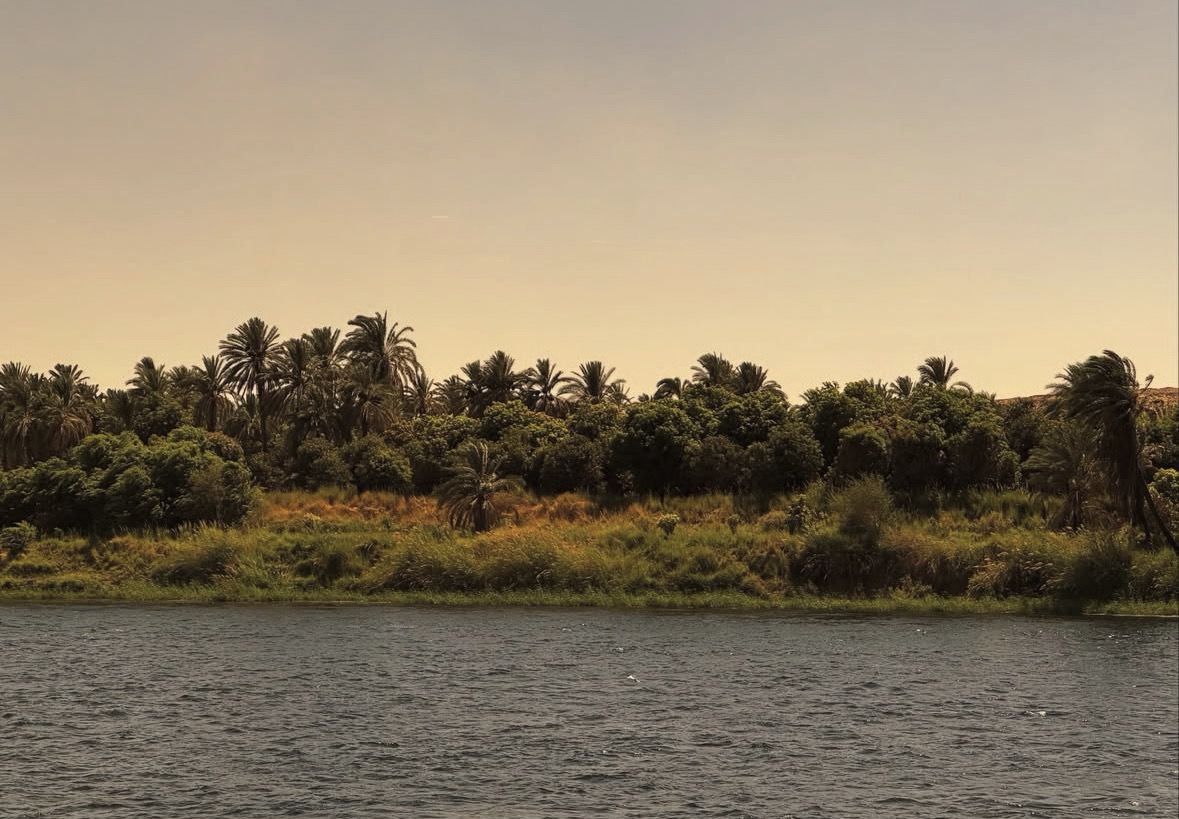
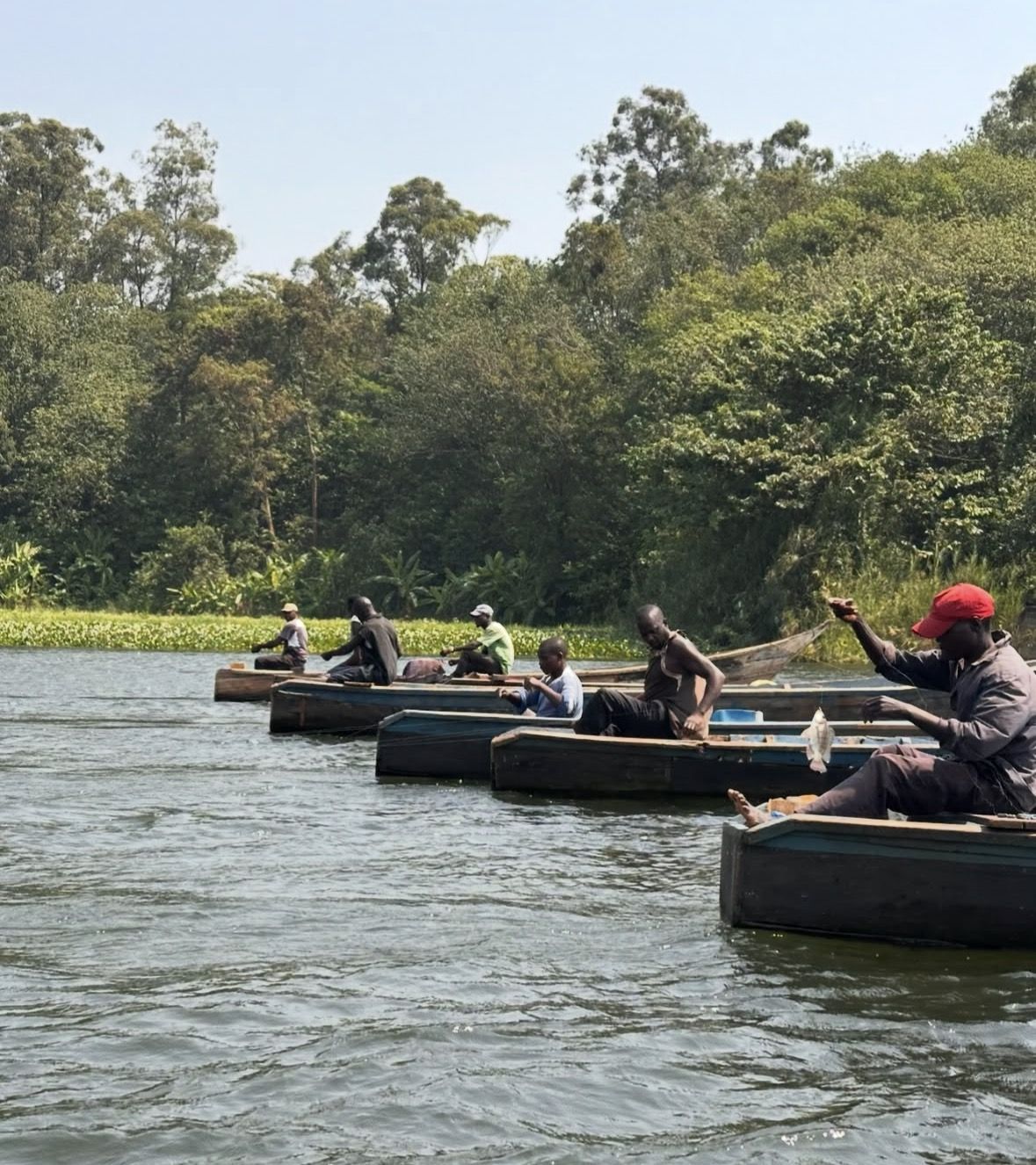
The Nile River stretches approximately 6,650 kilometres, making it one of the longest rivers on Earth. It originates from two principal tributaries — the White Nile, traced to Lake Victoria in East Africa, and the Blue Nile, rising from Lake Tana in Ethiopia. These branches converge at Khartoum, Sudan, before flowing north through Egypt's Eastern Sahara and fanning out into the vast green delta that meets the Mediterranean. The surrounding landscape shifts dramatically from lush agricultural floodplains to stark, sun-scorched desert within metres of its banks.
Few rivers have shaped human history as profoundly. Ancient Egyptians called it simply 'Iteru' — 'the river' — and their entire civilisation revolved around its annual inundation, which deposited rich black silt across the floodplain and made agriculture possible in an otherwise arid land. Pharaohs built their greatest temples along its banks, priests performed rituals to honour its floods, and trade caravans moved goods from sub-Saharan Africa to the Mediterranean world. The construction of the Aswan High Dam in the 1970s ended the natural flood cycle but created Lake Nasser, one of the world's largest reservoirs.
Today, visitors experience this waterway through a rich spectrum of activities. Gliding between Luxor and Aswan on a traditional dahabiya or a modern cruise liner offers front-row views of temples, villages, and golden sand dunes. A private nile river cruise lets you set your own pace, stopping wherever curiosity strikes. Shore excursions reveal bustling spice markets, donkey-cart rides through narrow lanes, and felucca sailboat sessions at dusk. In Cairo, a river nile dinner cruise transforms the city skyline into a sparkling backdrop for an evening of Egyptian cuisine and live entertainment.
The river's precise length has been debated for decades, but most modern measurements place it at around 6,650 kilometres. It flows northward — an unusual direction — from equatorial Africa to the Mediterranean coast of Egypt.
Nearly 40% of Egypt's population lives within the narrow green ribbon of cultivated land along the riverbanks. The river supplies over 95% of Egypt's freshwater needs, making it the true lifeline of the nation.
Completed in 1970, the Aswan High Dam ended the river's legendary annual floods and created Lake Nasser, stretching 550 kilometres into Sudan. It generates roughly 10 billion kilowatt-hours of electricity per year.
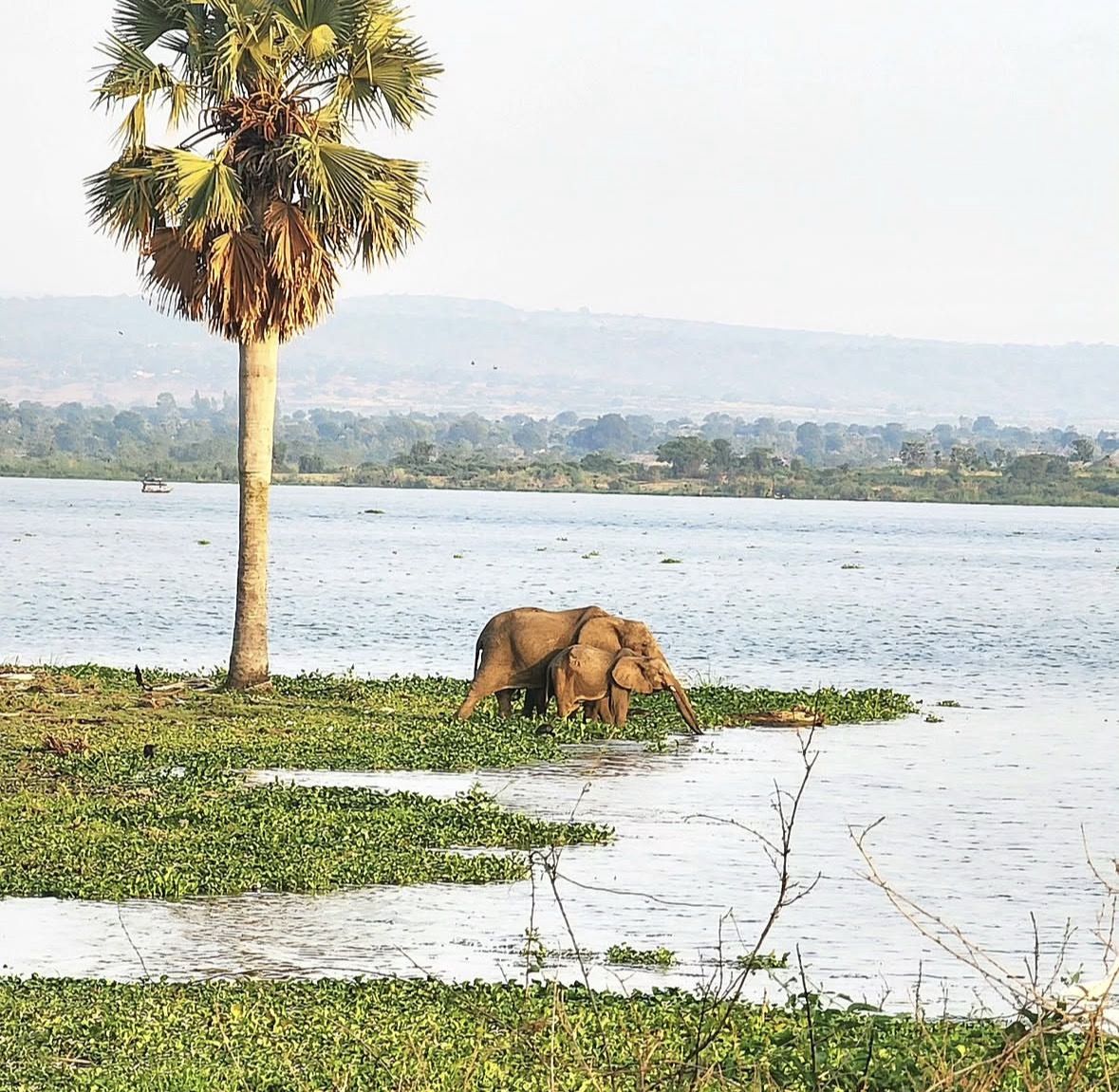
Hundreds of Nile crocodiles — one of Africa's largest reptile species — inhabit the stretches around Aswan and Lake Nasser. Hippos were historically common throughout Egypt but are now confined to regions further south.
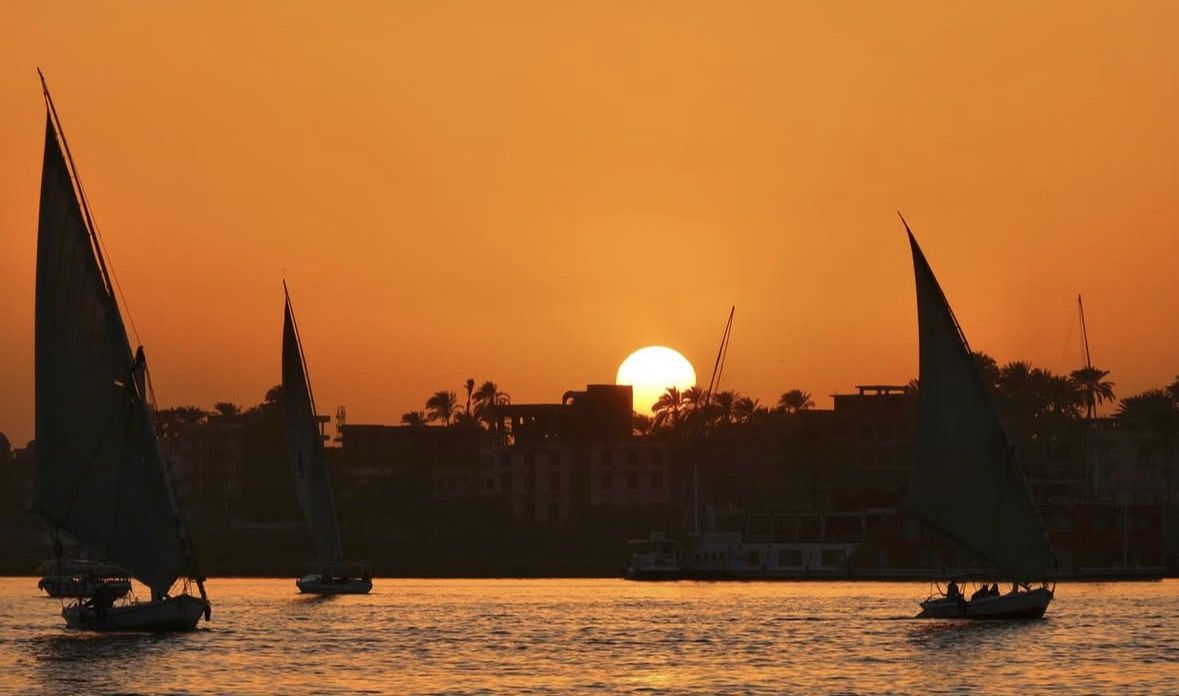
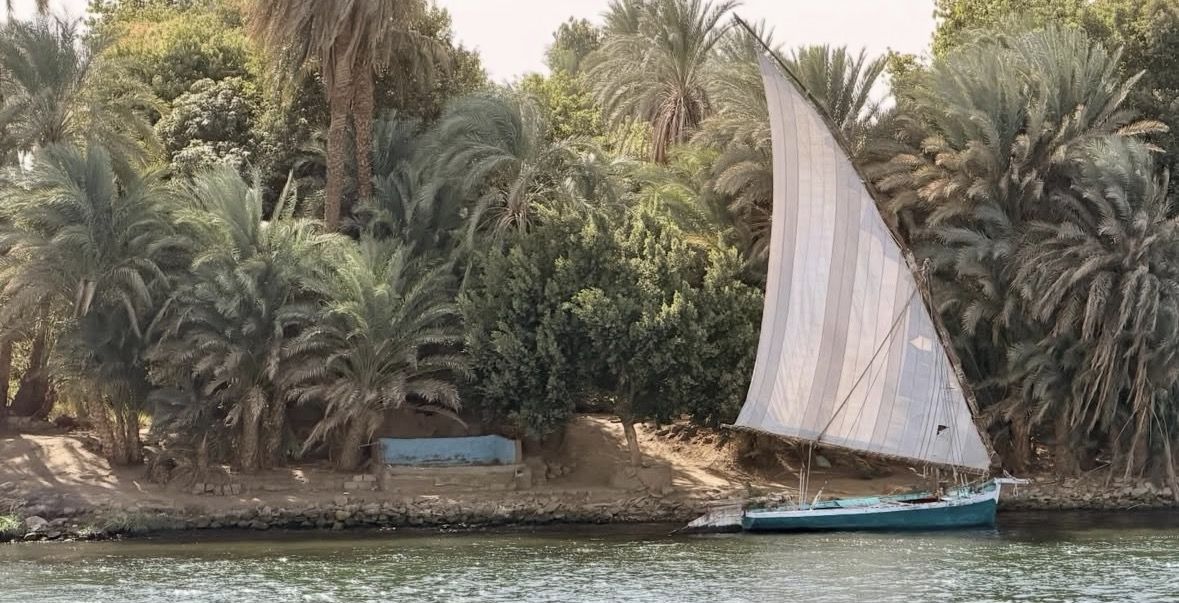
Ancient Egyptians mastered river navigation as early as 3000 BCE, using papyrus reed boats and later wooden sailing vessels. Feluccas — traditional lateen-rigged sailboats — still ply the same waters today.
More than 130 significant ancient monuments line the Egyptian stretch alone, including Karnak, Luxor Temple, Abu Simbel, and Philae. Many were relocated to save them from rising Lake Nasser waters in the 1960s.
The most popular nile river tour runs between Luxor and Aswan over four to seven nights, stopping at Edfu, Kom Ombo, and Philae. Modern cruise ships offer air-conditioned cabins, sun decks, and onboard Egyptologists.
A river nile dinner cruise is the perfect way to spend an evening in the capital, combining a multi-course Egyptian meal with belly dancing, Tanoura shows, and sweeping views of the illuminated city skyline.
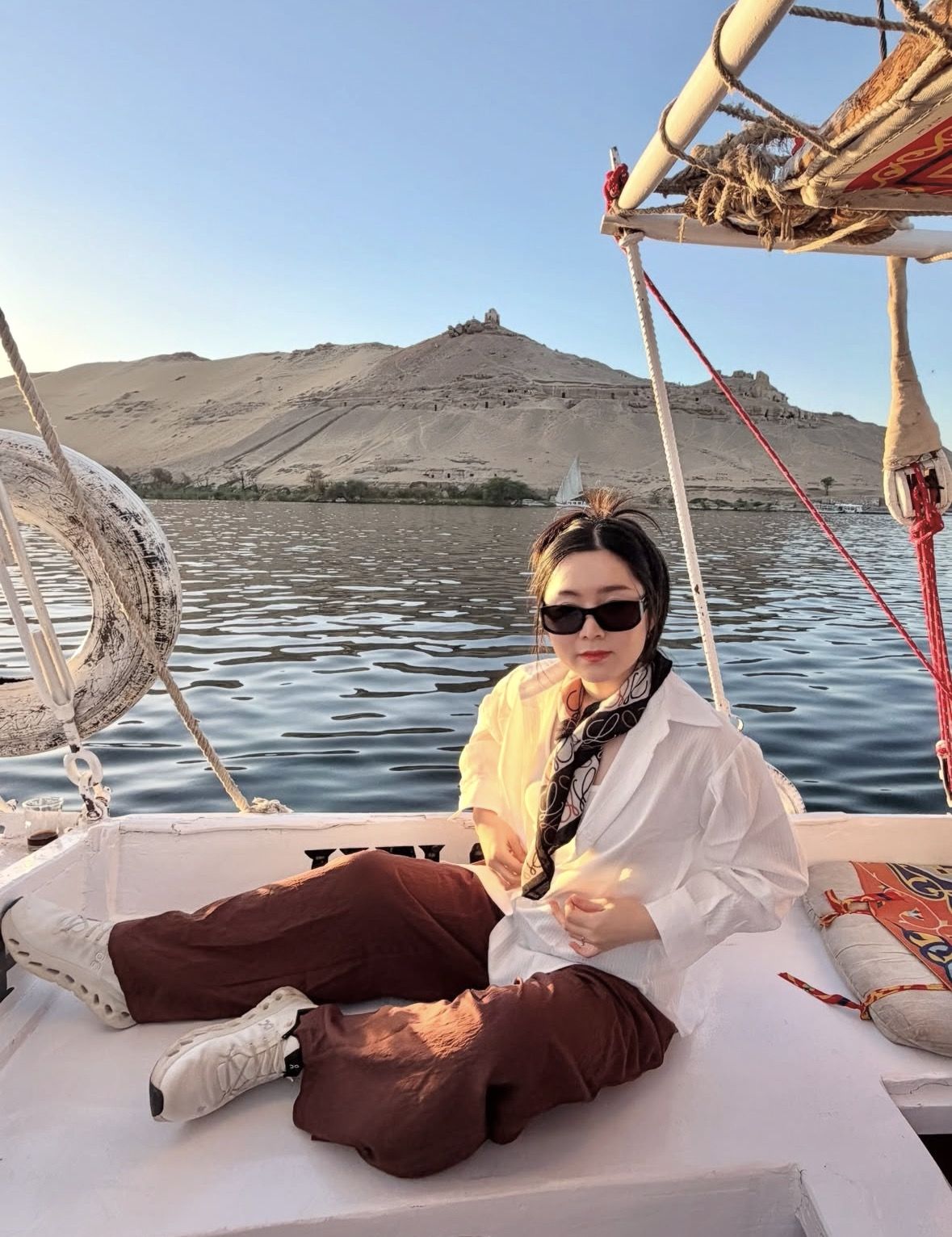
Hiring a traditional felucca for a sunset sail near Aswan is one of the most peaceful experiences on the river. These simple wooden boats have barely changed in design over thousands of years and offer an intimate connection to the water.
Every cruise stop opens the door to extraordinary ancient sites — the hypostyle hall at Karnak, the twin statues of Ramesses II at Abu Simbel, and the underground tombs of the Valley of the Kings near Luxor.
The riverbanks and surrounding wetlands are home to hoopoes, kingfishers, Egyptian geese, and migratory waders. Aswan's Elephantine Island is a particularly rewarding spot for birdwatchers and nature lovers.
Docking at riverside towns reveals vibrant local markets selling saffron, karkadeh (hibiscus), alabaster figurines, and hand-woven textiles. Aswan's colourful Nubian market is especially atmospheric and photogenic.
See how this ancient waterway stacks up against other world-famous river destinations so you can choose the experience that suits you best.
Choosing a river journey means balancing history, scenery, comfort, and budget. The Nile River offers a combination that few waterways can match — millennia of pharaonic monuments alongside genuine cultural immersion. But how does it compare to other legendary river destinations around the world? Whether you are drawn to European elegance, Southeast Asian spirituality, or South American biodiversity, this table helps you weigh the key factors and find the perfect fit for your next adventure.
| Crowds | Price | Best For | What Sets It Apart | |
|---|---|---|---|---|
| ★ Nile River | Moderate — busiest Nov–Feb | Mid-range to luxury | History lovers & cultural immersion | 5,000 years of monuments lining a single waterway |
| Danube River (Europe) | High — peak summer crowds | Mid-range to high | Architecture & wine enthusiasts | 11 countries, baroque cities, Christmas markets |
| Mekong River (SE Asia) | Low to moderate | Budget to mid-range | Adventure & off-the-beaten-path travel | Floating markets, Buddhist temples & jungle scenery |
| Amazon River (South America) | Low — remote wilderness | Mid-range to high | Eco-tourism & wildlife lovers | World's greatest biodiversity in dense rainforest |
While each of these waterways delivers its own magic, the Nile River occupies a unique position: nowhere else can you cruise past UNESCO-listed temples, step into pharaonic tombs, and end the evening watching the stars above the Sahara. For travellers who want history woven into every single kilometre of a journey, no other river comes close to matching this extraordinary experience.
Travel Guide
Everything you need to plan a seamless, memorable journey along Egypt's most iconic waterway.
The main international gateway is Cairo International Airport (CAI), which receives direct flights from Europe, the Middle East, North America, and Asia. From Cairo, domestic flights connect quickly to Luxor (LXR) and Aswan (ASW) — the two primary cruise embarkation points. Many visitors also arrive via Hurghada Airport on the Red Sea coast and transfer overland to Luxor in approximately three hours. Nile river cruises from cairo can be booked as part of a fly-cruise package combining both cities.
Once in Egypt, getting between riverside cities is straightforward. The overnight sleeper train between Cairo and Luxor or Aswan is a classic and affordable option, taking roughly nine to thirteen hours. Air-conditioned express buses serve the Nile Valley corridor. Within cities, tuk-tuks, taxis, and horse-drawn caleches ferry visitors between the river, temples, and hotels. Most cruise ships provide included coach transfers to all shore-excursion sites, so you rarely need to arrange your own local transport.
The ideal window for a cruise or nile river tour runs from October through April, when daytime temperatures in Luxor and Aswan hover between 20°C and 30°C — warm enough for outdoor sightseeing without the punishing summer heat. December and January are the most popular months, especially for European and North American travellers escaping winter cold. Booking several months ahead is essential during this peak period, particularly for private nile river cruise cabins and popular dinner cruise slots in Cairo.
Summer (June–August) sees temperatures regularly exceeding 40°C in Upper Egypt, making outdoor temple visits exhausting. However, prices drop significantly and crowds thin out considerably, which appeals to budget-conscious travellers willing to sightsee in early morning and late afternoon. The month of Ramadan shifts annually; while Egyptians celebrate with evening festivities, some restaurants and services operate on reduced hours during the day. Spring (March–May) offers a pleasant middle ground with moderate temperatures and fewer crowds than the December–January peak.
Lightweight, breathable clothing is essential for exploring temples in the Egyptian sun — think linen shirts, loose trousers, and comfortable walking sandals with good grip. Conservative dress is respectful and sometimes required at religious sites: women should carry a scarf to cover shoulders and hair when entering mosques or certain tombs. A wide-brim hat, polarised sunglasses, and reef-safe sunscreen with SPF 50+ are non-negotiable for hours spent outdoors, even in the cooler winter months.
Cruise cabins are generally well-equipped, but a few personal items will make your journey far more comfortable. A refillable water bottle with a built-in filter reduces plastic waste and keeps you hydrated throughout long excursion days. Insect repellent is useful in the early evenings near the riverbanks. A torch or headlamp comes in handy for early-morning temple visits, and a small day pack distributes weight comfortably during shore excursions. Smart-casual attire is appreciated for onboard dinners and a river nile dinner cruise experience.
Egyptians are famously warm and hospitable, but a little cultural awareness goes a long way. Always greet with 'As-salamu alaykum' (peace be upon you) — locals genuinely appreciate the effort. Remove shoes before entering mosques and avoid photographing people, military installations, or police officers without permission. Tipping (baksheesh) is an integral part of the local economy; budget around 10–15% in restaurants and a small amount for guides, boat crew, and hotel staff.
Egypt runs on Egyptian Pounds (EGP); while major hotels and cruise ships accept credit cards, carrying cash is important for markets, felucca rides, and smaller restaurants. ATMs are widely available in Cairo, Luxor, and Aswan but can run dry during public holidays — withdraw cash before heading to smaller towns. Bargaining is expected and enjoyed in souqs, but approach it good-naturedly. Drinking only bottled or filtered water is strongly advised. Most cruise ships include filtered water and soft drinks; ask your guide before ordering from street stalls.
Before travelling, consult your doctor or a travel health clinic at least six weeks in advance. Recommended vaccinations for Egypt typically include Hepatitis A, Typhoid, and ensuring your routine immunisations (MMR, tetanus, diphtheria) are up to date. Malaria risk in Egypt is very low — limited to El Faiyum from June to October — but discuss prophylaxis with your doctor if you plan to travel beyond the main tourist corridor. Travel insurance with comprehensive medical evacuation cover is strongly recommended.
The main health concerns for river travellers are sunstroke, dehydration, and traveller's diarrhoea — all largely preventable with sensible precautions. Petty theft (pickpocketing) can occur in crowded tourist areas and busy markets; keep valuables in a money belt under clothing. Egypt is generally safe for tourists, particularly along the heavily visited Luxor–Aswan cruise route. Follow your cruise director's guidance on shore excursions, stay with your group in unfamiliar areas, and register your trip with your country's foreign embassy for added peace of mind.
Explore More
Beyond the riverbanks, Egypt's most awe-inspiring ancient sites, desert oases, and Red Sea resorts are all within easy reach of your cruise itinerary.

The 2-Hour Nile River Dinner Cruise From Cairo is the perfect way to experience Egypt's capital from a completely different perspective.
Check this tour →
Step aboard the Private Nile Dinner Cruise in Cairo for a two-hour journey that combines world-class dining, mesmerizing entertainment, and sweeping views of the illuminated city.
Check this tour →
The Cairo Dinner Cruise in Nile River With Belly Dancer show is the ultimate way to experience Egypt's legendary waterway after dark.
Check this tour →
The Cairo/Giza: Sunset Dinner Cruise on the Nile River Tour with Show invites you to experience Egypt's iconic waterway in supreme comfort and elegance.
Check this tour →
Step aboard the Cairo Nile River Dinner Cruise with Belly Dance, Tanoura & Pickup for an evening that blends world-class entertainment with exquisite dining.
Check this tour →
The Dinner Cruise in Nile River with Belly Dancer show From Cairo is the ultimate way to experience Egypt's capital after sunset.
Check this tour →Traveler Reviews
Travelers share their unforgettable experiences along the Nile River, from dinner cruises to guided tours.
"Taking a private nile river cruise was hands down the highlight of our Egypt trip. We glided past ancient temples at sunset while our guide explained the history of each monument in fascinating detail. The crew was attentive, the food was exceptional, and the views were nothing short of magical. I'd recommend booking a private option over a group tour if your budget allows — the personalized attention makes all the difference."
"The river nile dinner cruise we booked through our hotel exceeded every expectation. We were treated to a traditional Egyptian buffet, live music, and a stunning light show reflecting off the water as we sailed through Cairo. Our table had perfect views of the illuminated bridges and corniche, and the atmosphere was genuinely romantic. It's one of those evenings you'll talk about for years after returning home."
"We joined a nile river tour between Luxor and Aswan and loved nearly every moment of it. The felucca sailing experience was peaceful and authentic, giving us a real sense of how Egyptians have travelled this waterway for thousands of years. The only minor downside was that some stops felt a little rushed, so I'd suggest asking your operator for an itinerary with extra time at Kom Ombo. Overall, a wonderful and memorable journey through the heart of ancient Egypt."
"I was travelling solo and decided to book one of the nile river cruises from cairo, and it turned out to be the best decision of my entire trip. The onboard guide was incredibly knowledgeable and made every temple and ruin feel alive with stories. Fellow passengers were friendly and came from all over the world, so the social atmosphere was warm and welcoming. I returned home with a completely new appreciation for ancient Egyptian civilization."
"Our family of five booked a private nile river cruise for five nights and it was genuinely transformative. The kids were engaged the whole time thanks to our guide's storytelling approach — he brought hieroglyphics and pharaonic history to life in ways that even our eight-year-old understood. Meals onboard were plentiful and the cabin was comfortable and clean. We're already planning a return visit to see the sites we didn't have time for."
"The river nile dinner cruise was a lovely experience, though I'd advise arriving early to secure a good window seat. The belly dancing performance was entertaining, and the traditional music added a wonderful cultural layer to the evening. The buffet had plenty of vegetarian options, which was great for our group. It's a classic Cairo experience that's absolutely worth adding to your itinerary, even if it leans slightly toward the touristy side."
"We opted for a nile river tour focused on the Upper Egypt stretch, and every single day brought a new wonder. Karnak Temple at dawn before the crowds arrived was a spiritual experience unlike anything I've encountered in years of travel. The cruise ship staff were attentive without being intrusive, and the itinerary struck a perfect balance between sightseeing and downtime. Watching the desert and palm groves drift by from the sun deck became our favourite daily ritual."
"Booking nile river cruises from cairo gave us the perfect introduction to Egypt before we flew south to Luxor. The departure point near Giza meant we could squeeze in a visit to the pyramids on the first morning — an absolutely surreal start to any holiday. Our guide coordinated everything seamlessly, from airport transfers to onboard excursions, so we never had to worry about logistics. If you're visiting Egypt for the first time, this kind of all-inclusive tour structure is the way to go."
Watch Before You Go
Immerse yourself in the sights and sounds of Egypt's legendary waterway before you even pack your bags.
Location
The Nile River flows northward through northeastern Africa, with the most-visited cruise stretch running between Luxor (25.6872° N, 32.6396° E) and Aswan (24.0889° N, 32.8998° E) in Upper Egypt.
FAQ
Everything you need to know before booking your tour, cruise, or adventure along one of the world's greatest waterways.
Ready to sail through history on one of the world's great waterways?
Book Your CruiseDiscover More
Long before the pyramids rose above the desert horizon, ancient Egyptians worshipped the river as a god, built their greatest cities along its shores, and measured their calendar by its annual flood. From the Old Kingdom pharaohs of Memphis to the Ptolemaic rulers of Alexandria, every dynasty drew its power from the same fertile strip of black earth the river replenished each year.