For more than six millennia, the Nile River has cradled civilizations, inspired myths, and carved one of the most dramatic landscapes on Earth. From its mysterious twin sources deep in equatorial Africa to its shimmering delta on the Mediterranean coast, this 6,650-kilometre waterway remains humanity's most storied river.
The Nile draws its waters from two primary tributaries — the White Nile, originating at Lake Victoria in Uganda, and the Blue Nile, which springs from Lake Tana in the Ethiopian Highlands. Geological evidence suggests the river system began forming approximately 30 million years ago during tectonic upheavals that reshaped northeastern Africa. However, its role in human history truly began around 10,000 BCE, when hunter-gatherer communities first settled along its banks, drawn by reliable water in an otherwise expanding desert. These early inhabitants recognized the river's extraordinary gift: predictable annual flooding that deposited nutrient-rich black silt across the surrounding floodplain, creating a naturally fertile corridor through an arid wilderness.
By approximately 5000 BCE, Neolithic farming communities had established permanent settlements along the Nile Valley, cultivating wheat, barley, and flax in the renewed soils left behind by each year's flood. These proto-Egyptian cultures — known archaeologically as the Badarian and Naqada cultures — developed increasingly sophisticated irrigation techniques, storage systems, and social hierarchies. The river's predictable rhythms dictated every aspect of life, from planting calendars to religious ceremonies. Trade networks emerged along the Nile corridor, connecting communities across hundreds of kilometres. This dense, river-dependent agricultural society laid the precise foundation upon which one of history's most extraordinary civilizations would soon be constructed.
Around 3100 BCE, King Narmer unified Upper and Lower Egypt under a single crown, creating a state whose entire identity was inseparable from the Nile. The ancient Egyptians divided their world into Kemet — the 'black land' of fertile Nile silt — and Deshret, the 'red land' of barren desert. This duality shaped their cosmology, art, and governance for over three thousand years. The annual inundation, called Akhet, was not merely a hydrological event but a divine miracle attributed to the god Hapy, portrayed as a blue-skinned figure bearing lotus flowers. Pharaohs derived much of their legitimacy from their perceived ability to ensure the flood's regularity, making the Nile central to royal power itself.
The river served as Egypt's primary highway, enabling the transportation of enormous stone blocks from quarries at Aswan northward to construction sites at Giza, Luxor, and Saqqara. Without the Nile's navigable waters and seasonal flood levels, the construction of the Great Pyramids — completed around 2560 BCE — would have been logistically impossible. The river also sustained a rich ecosystem of papyrus reeds, which Egyptians harvested to produce the world's first practical writing material, effectively enabling the administrative and literary achievements of their civilization. Fish, waterfowl, and hippos populated the river's banks and waters, providing vital protein and inspiring an entire tradition of tomb paintings and hieroglyphic art.
Beyond Egypt's borders, the Nile connected Africa's interior to the Mediterranean world. Ancient Nubian kingdoms — including Kerma, Kush, and Meroe — flourished along the river's upper reaches in present-day Sudan, developing their own pyramid-building traditions and competing with Egypt for regional dominance. At its height, the Kushite kingdom conquered all of Egypt and ruled as the 25th Dynasty around 747 BCE. Greek historian Herodotus, visiting Egypt around 450 BCE, famously declared that Egypt was 'the gift of the Nile,' a phrase that has echoed through the centuries. Greek, Roman, Arab, and Ottoman rulers each in turn controlled the Nile corridor and recognized its indispensable strategic and agricultural value.
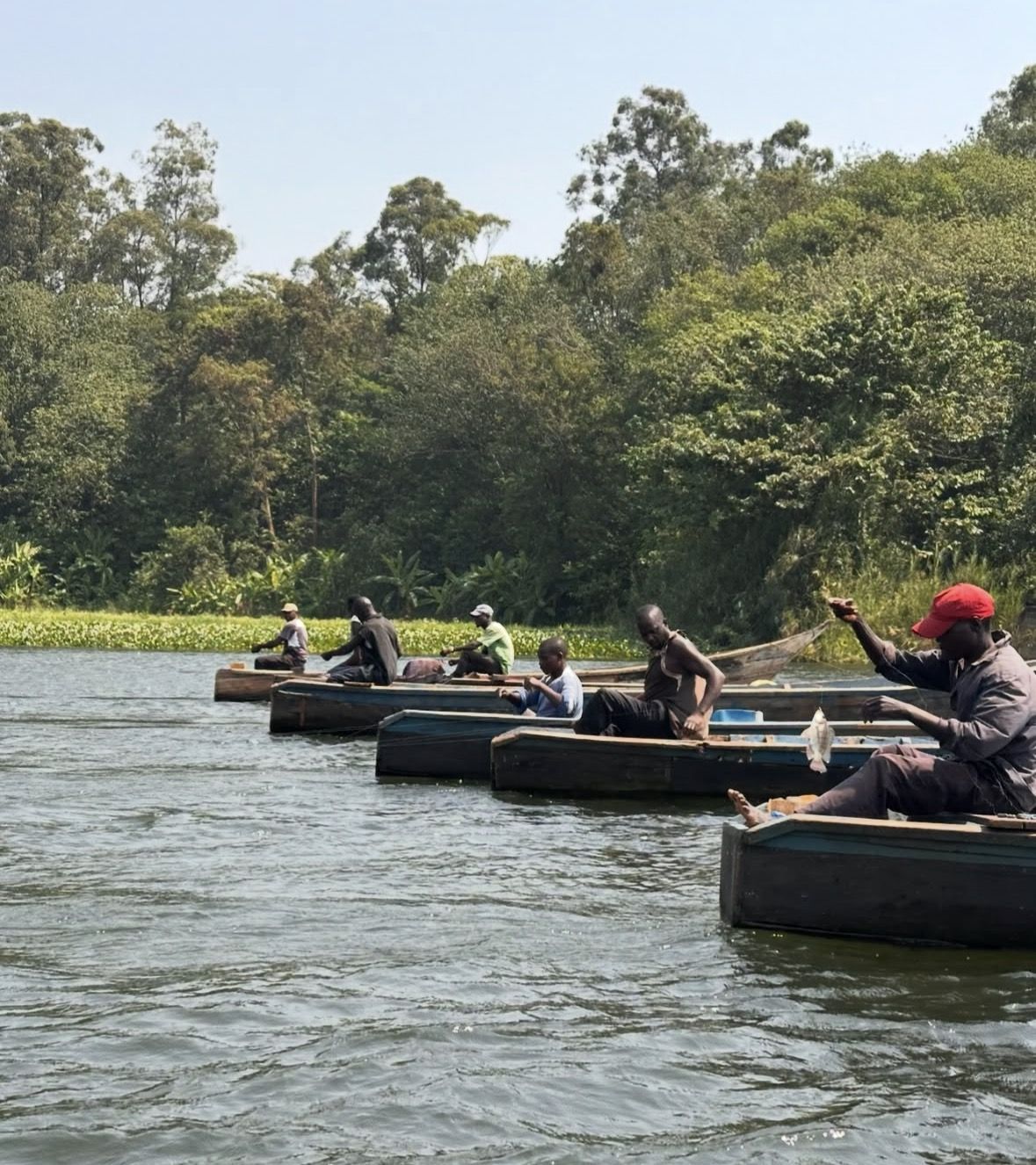
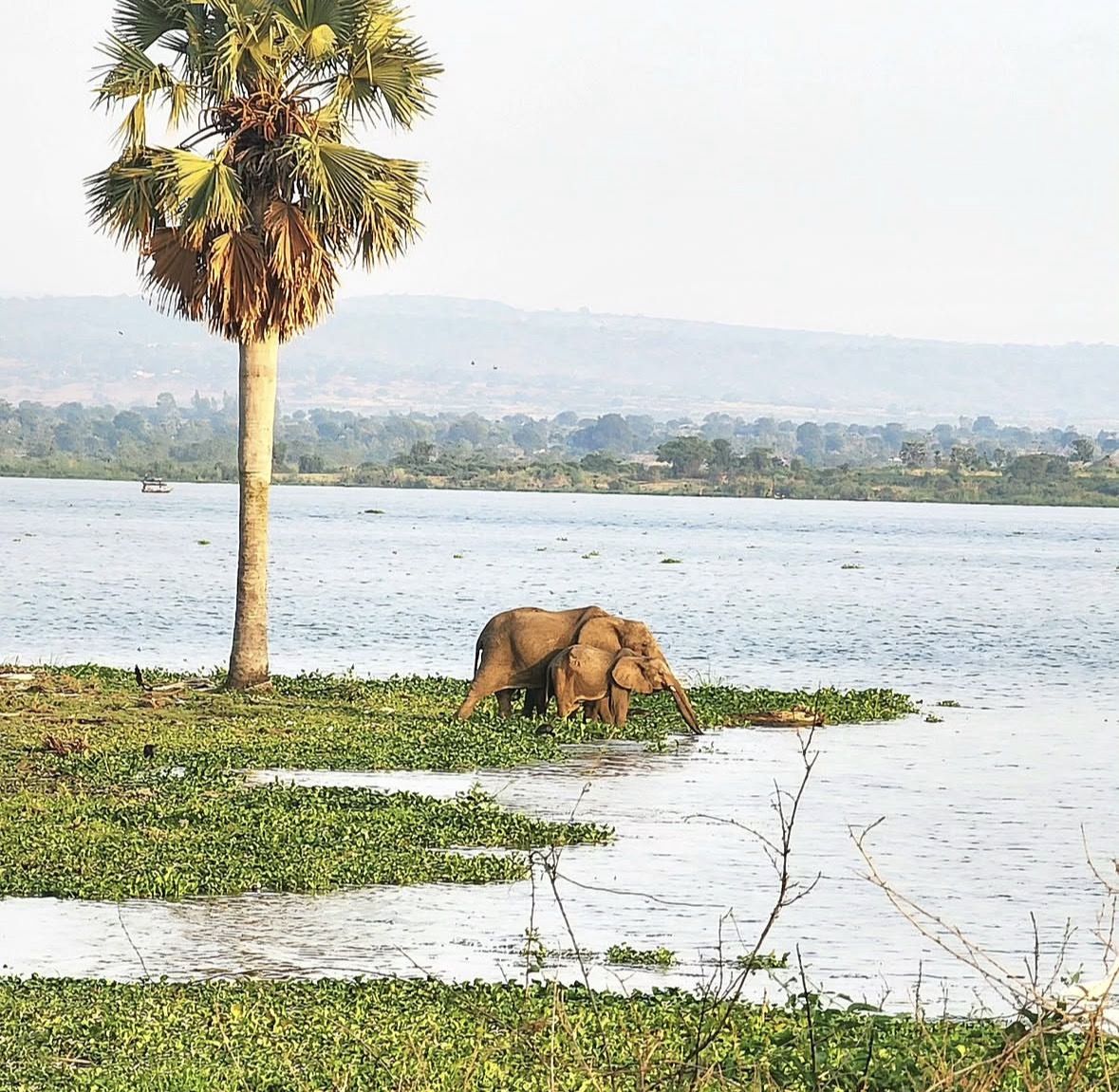
For centuries, the Nile's source remained one of geography's greatest mysteries, captivating explorers from ancient Rome to Victorian Britain. Emperor Nero sent two centurions southward in 61 CE to find the river's origin; they returned baffled after encountering the vast Sudd swamps of present-day South Sudan. Arab geographer Al-Idrisi mapped portions of the upper Nile in 1154, but the question persisted. The 19th century unleashed a competitive wave of European exploration, with British adventurers Richard Francis Burton and John Hanning Speke launching their famous 1857–1858 expedition into East Africa. In 1858, Speke became the first European to view Lake Victoria, boldly claiming it as the Nile's primary source — a conclusion that sparked fierce public controversy with Burton.
David Livingstone, the Scottish missionary-explorer, spent years investigating the Nile's sources before his death in present-day Zambia in 1873. Henry Morton Stanley's subsequent expeditions confirmed Speke's Lake Victoria claim and traced the river's complex upper reaches with greater accuracy. This era of exploration drew Western attention — and ultimately imperial ambition — toward the entire Nile Valley. Britain's occupation of Egypt in 1882 and its subsequent control of Sudan were driven substantially by strategic determination to command the Nile's waters. The construction of the first Aswan Dam between 1898 and 1902 marked the river's entry into the modern hydraulic age, demonstrating both human ingenuity and the immense political stakes attached to controlling Africa's greatest waterway.
The 20th century transformed the Nile through large-scale engineering. Egypt's Aswan High Dam, completed in 1970, created Lake Nasser — one of the world's largest reservoirs, stretching 550 kilometres — and ended the ancient annual flood cycle that had sustained Egyptian agriculture for millennia. While the dam brought electricity and year-round irrigation to millions, it also submerged ancient Nubian villages and required UNESCO to orchestrate the monumental relocation of the Abu Simbel temples between 1964 and 1968. Today, the Grand Ethiopian Renaissance Dam on the Blue Nile, nearing completion, has reignited geopolitical tensions over Nile water rights among Egypt, Sudan, and Ethiopia, proving that this ancient river still commands the destiny of modern nations.
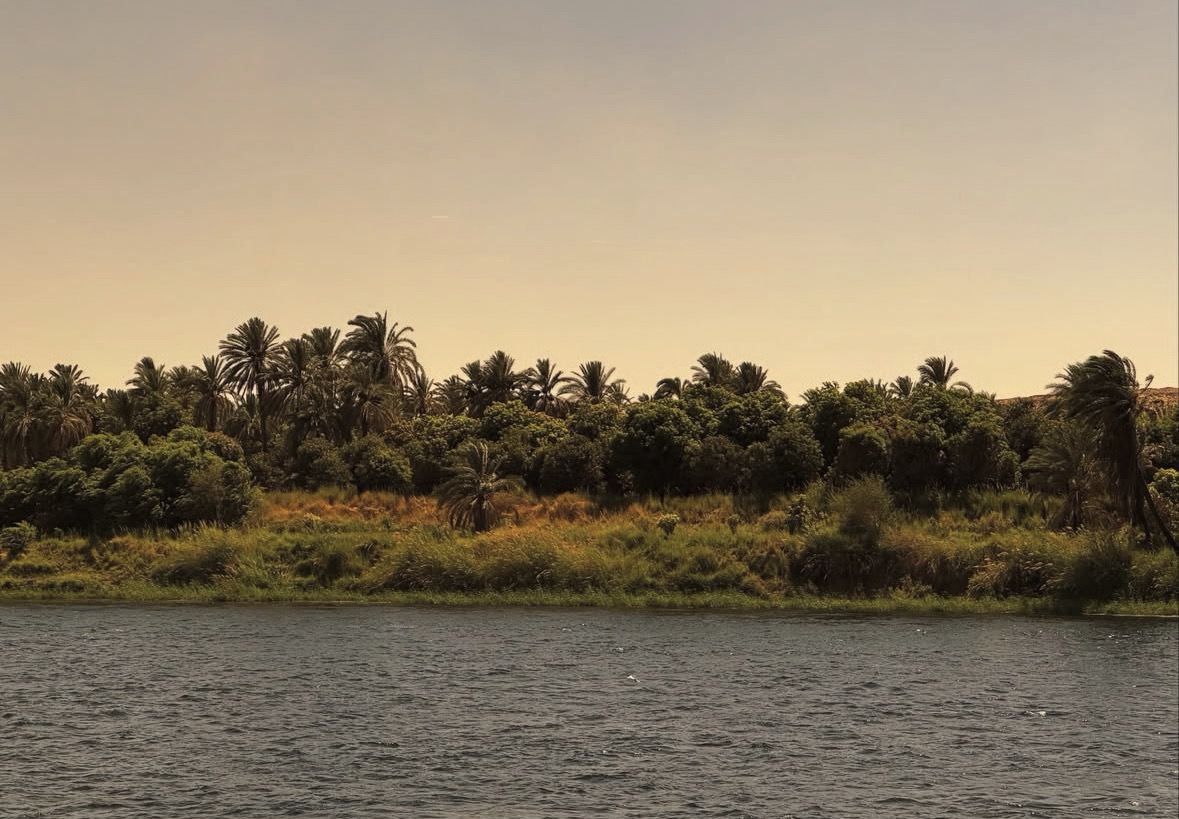
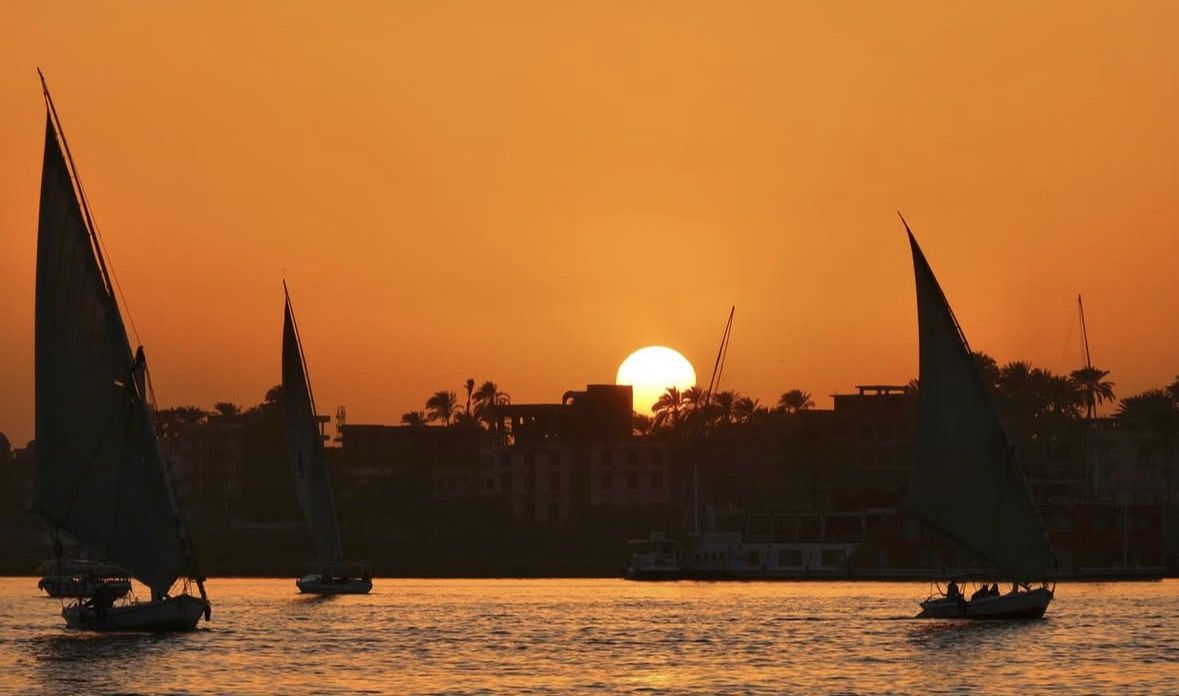
Modern travellers who cruise the Nile between Luxor and Aswan experience a journey that layers ancient wonders upon living culture in genuinely breathtaking fashion. The riverbanks reveal a panorama unchanged in its essential drama: golden temple pylons rising from the water's edge, felucca sailboats drifting silently past sugar cane fields, and children waving from mud-brick villages. The Valley of the Kings near Luxor, the temples of Karnak and Philae, and the colossal statues of Abu Simbel are all within reach of a classic Nile cruise. UNESCO World Heritage Sites cluster along the river with a density found nowhere else on Earth, making a Nile journey the single most concentrated encounter with ancient human achievement available to any traveller.
The Nile remains the pulse of Egypt and the cultural heartbeat of northeastern Africa, drawing over 13 million international tourists to Egypt annually in pre-pandemic years, with river cruising forming the centrepiece of most itineraries. Whether you sail aboard a traditional wooden dahabiya, a luxurious modern cruise ship, or explore the riverbank markets of Aswan on foot, the Nile delivers an experience that is simultaneously intimate and monumental. The great river invites you not simply to observe history but to move through it — to watch dawn break over Luxor Temple as it has for 3,500 years, and to understand, at last, why ancient Egyptians believed the Nile was nothing less than the vein of a living god.
Ready to Experience It Yourself?
A Nile River cruise is one of the world's truly unmissable journeys, blending ancient wonders, dramatic landscapes, and vibrant local culture into an unforgettable experience. Our handpicked tour partners offer everything from intimate felucca voyages to premium river cruises, with expert Egyptologist guides bringing every temple and tomb to life. Browse our curated Nile tours today and take the first step toward the journey of a lifetime.
Book Your Tour Now